I Now Have a Plan of Attack.
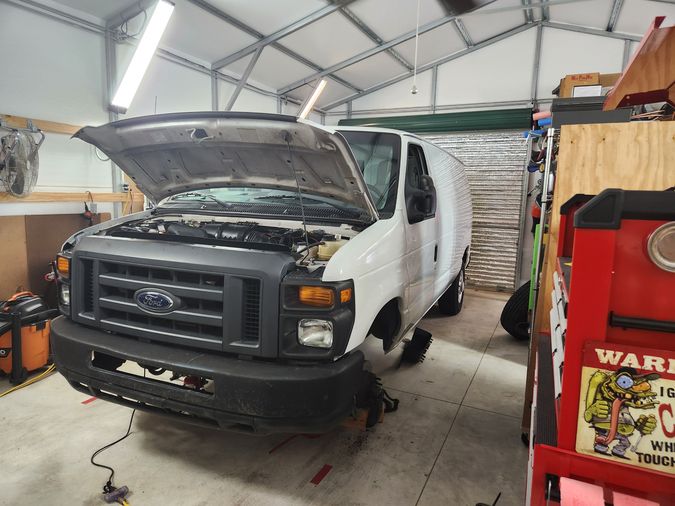 The Tug hasn't moved an inch since arriving home.
I learn something new every day. The "list of problems" has grown and shrunk.
1) The brake problem should be resolved. I say "should be". I haven't driven it yet, so I really don't know for sure.
2) The two holes rusted through the floor pan now have been joined by a couple of others back in the cargo section. Every one of these rusty areas seems to have started inside the van. (Evidence for this is the intact finish on the outside of the rusted metal.) They also are all located at the body mount bolts that join the body to the frame. I now am planning to replace all of the body mounts. No small task, but doable. The hardest part will be removing the old ones.
3) There had been is a parasitic drain (load) on the battery. The CD player in the head unit was cycling repeatedly because the battery had been drained to nine volts. If you don't know, in cars built after the 70's, a drained battery can make electrical systems go absolutely nuts and do really bizarre things. More on the parasite below.
4) The seats are one problem that remains as it was. They are just as bad as they were before.
5) I have one broken exhaust stud on the passenger-side, but not at the manifold/pipe junction. It is in the head at the manifold, which is a bit more involved process to replace. Like most things, doable. Sigh.
The plan develops.
My priorities at this point are as follows:
(a) Solve the electrical problem.
(b) Get the floor of Bldg S-2 covered. 1
(c) Replace the body mounts and repair the holes.
(d) Once drivable again, reassess the situation.
Finding the parasitic drain.
The most effective way to hunt for a parasitic drain on a vehicle electrical system is to put a current measuring device inline with the negative side of the battery and remove fuses until you find one that removes the drain. This identifies the circuit that needs attention. With two people, this can go pretty rapidly: one to watch the meter and one to pull fuses.
With only one person, it can take ages because you have to go back and forth between the meter and the fuse panel.
Enter BATMON by drgerg.
Batmon is a Raspberry Pi Zero W with an INA226 voltage and current module. The module is good for DC circuits up to 36 volts and up to 20 amps of current. It's perfect for this job. The first version of Batmon showed me I still had a 700mA drain even with the radio removed. That was an "aha" moment.
I decided now was the time to develop this tool more completely. I have a continuity tester with a beeper. I put a relay and a tiny OLED display on the Pi and wrote up some Python to record readings, kick the relay under certain circumstances and display voltage and current readings on the display. There are three buttons, one of which toggles logging. When I toggle logging off, Batmon emails me a copy of the last set of readings.
I have it set to remain silent (relay open) if the current is above 100mA, and to beep (relay closed) if the current drops below that. When I pull the fuse from the bad circuit, I will get an audible indication.
Development testing of Batmon is finished. Assuming this works as intended (which I'm about to find out), there will be another post detailing the construction of Batmon.
I'm still enthusiastically optimistic about the future of Tug. Maybe I'll actually get to drive it soon.
The Gallery
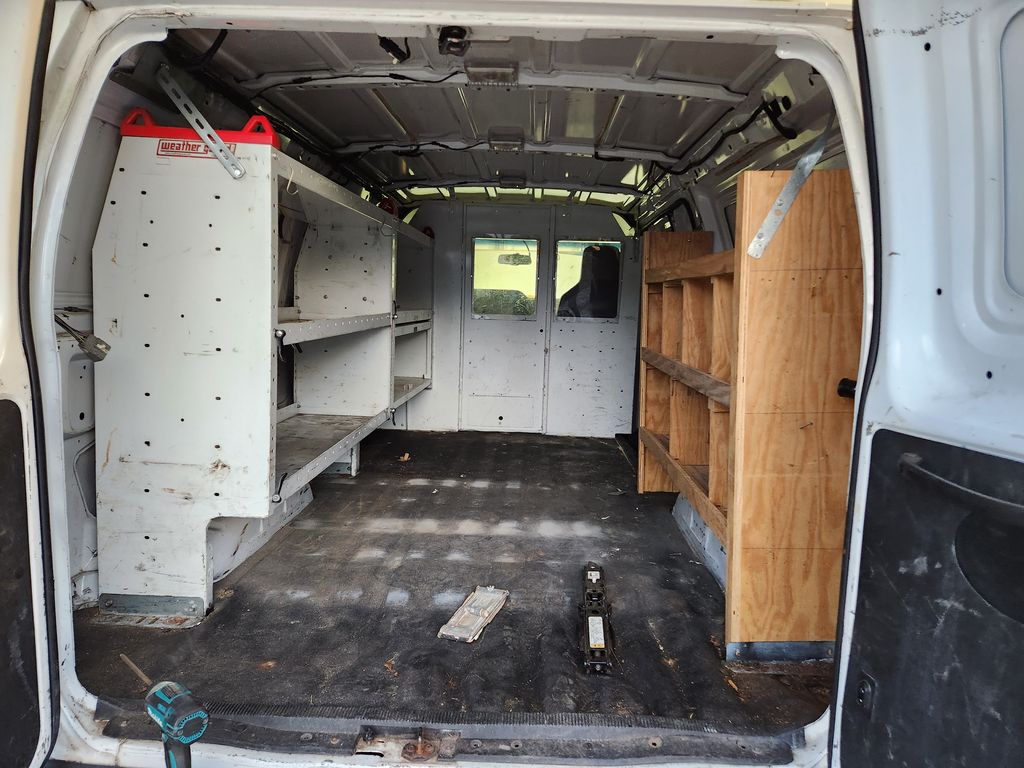
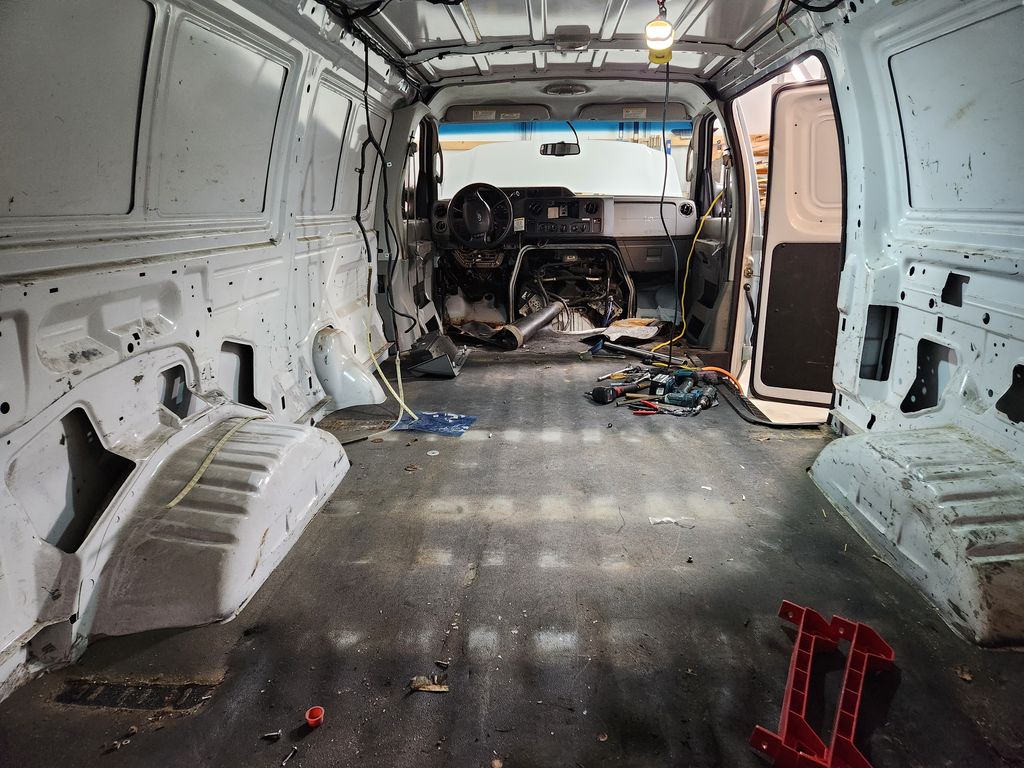
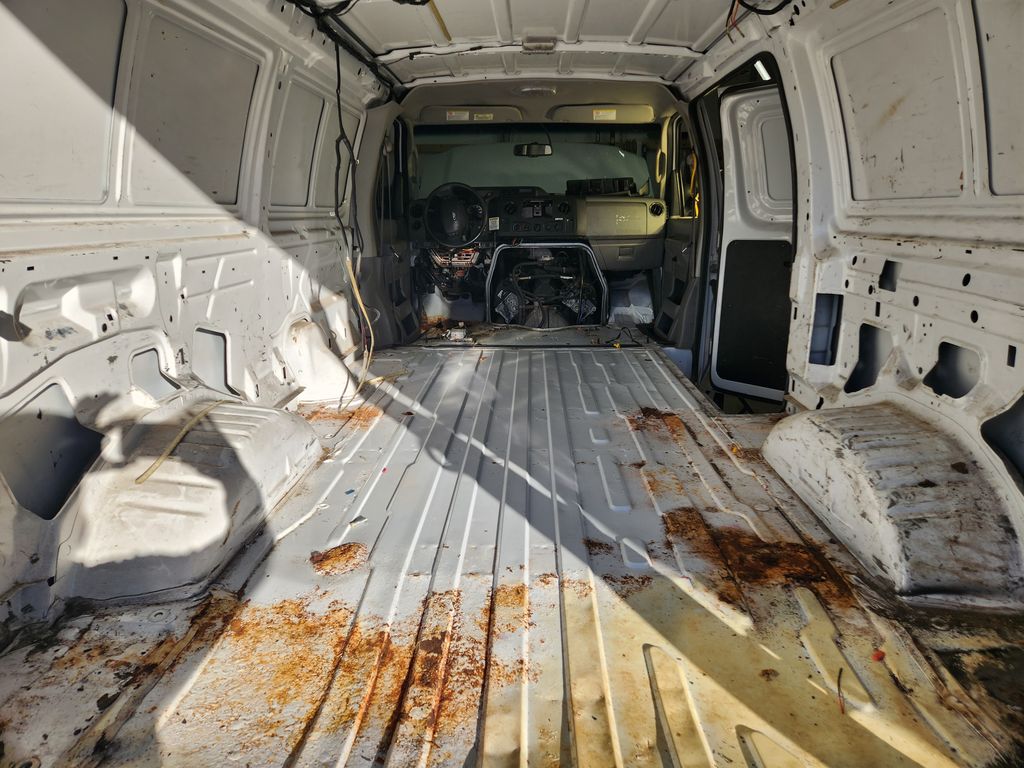
Remember that post about pigs in dresses? In Tug's case, the floormat was the dress. The pig is the rusty floorpan.
The Bug Tug may not be a Thing That Works today, but it will be soon. We are in process.

-
Cover the concrete to protect it from all the oily drips that I'm about to cause. (Liquid Wrench, etc.) ↩